How Perfect Days can change your life

Perfect Days (2023)
Directed by: Wim Wenders
Run time: 125 min
Perfect Days
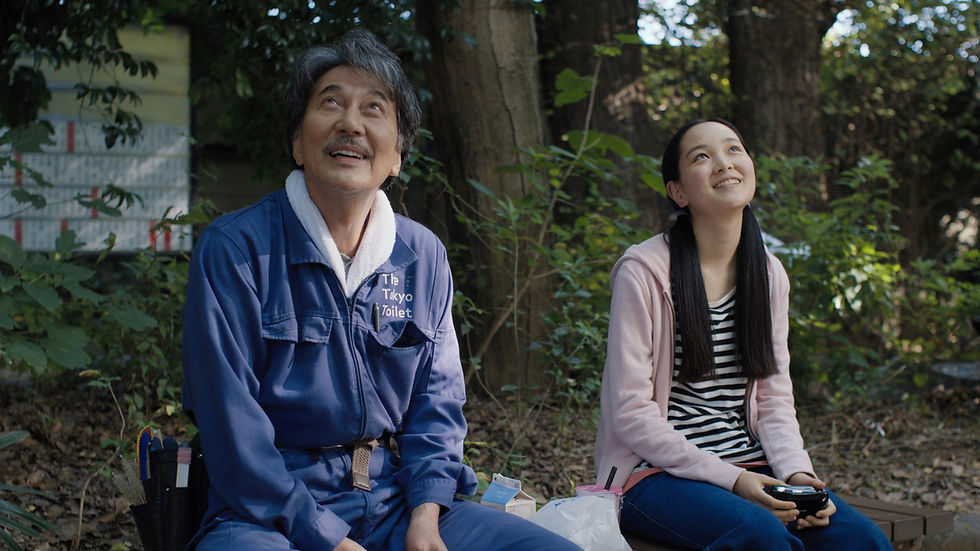
"Perfect Days" is a film by Wim Wenders that follows a 60-year-old toilet cleaner in Tokyo, Japan. The storyline is straightforward as we observe Hirayama's everyday life. We see him wake up, follow his routine, drive to work, and spend his free time in his favorite spots, among other activities. This routine unfolds throughout the entire film without any significant events. Yet, this film still captivates many viewers and is among the highest-rated films of this decade. Wonder how? I will explain everything in this blog.
*This blog contains spoilers, so if you want to experience it yourself, watch it first and then return.*
The Meditation of Perfect Days
Many, myself included, find this film to be quite meditative. Sometimes, we simply need a movie where not much happens, allowing us to relax and watch in a calm state. "Perfect Days" is the perfect example of that. It offers a sense of comfort by showcasing everyday scenes we recognize. There are no unnecessary fight sequences, no lengthy, boring dialogues that go nowhere, and no unrealistic creatures—just simple, everyday life. Watching Hirayama's routine is particularly satisfying. Many of us lack motivation and a solid routine, so observing Hirayama rise at the ideal time and maintain a healthy routine before heading out is quite inspiring. It demonstrates that days can unfold perfectly if we follow a simple routine instead of wasting time in bed, endlessly scrolling through social media. Despite Hirayama's job cleaning toilets, he manages to make the most of his days without wasting time on complaints. Naturally, the film also portrays setbacks, just as life does. We all experience "bad" days, and so does Hirayama.
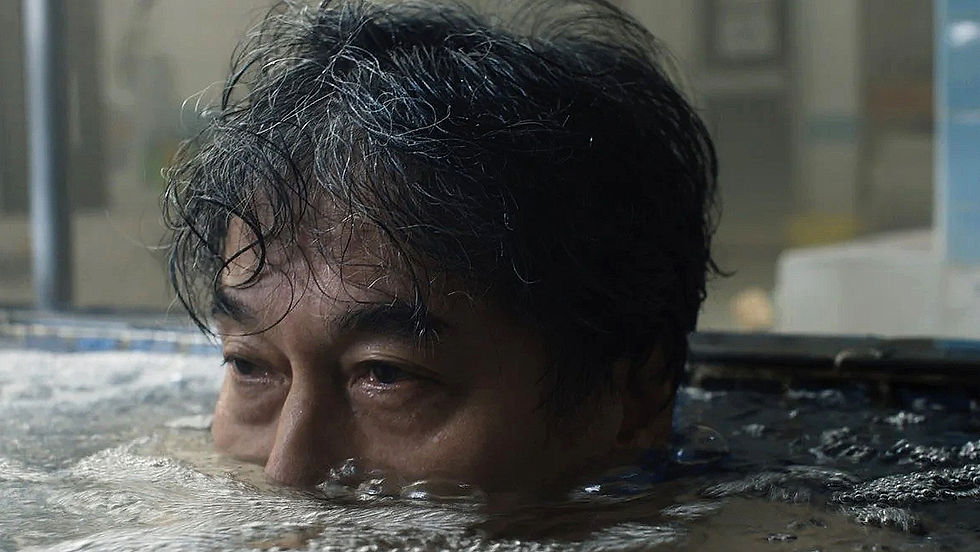
In the third act of the film, Hirayama finds himself in a troubling situation. After spending a couple of days with his niece Niko, enjoying her company and experiencing a different generation, Niko is picked up by her mother, leading to an uncomfortable moment. Keiko, Hirayama's sister, is of high social status and extremely wealthy compared to him. The class divide is obvious, and Keiko clearly judges his lifestyle by asking, "Do you really still clean toilets?" Their father, who suffers from dementia, is also mentioned, further unsettling Hirayama. He is not only saddened due to his dying father but also by the irreparable family bond. After a hug from Keiko, Hirayama visibly breaks down. What's notable about this moment is that he accepts his situation and doesn't shy away from his emotions. This is a habit we should be inspired by. Many people, particularly men, try to hide their emotions, believing that crying is a sign of weakness. It is not. We should not run from our emotions but embrace them so they no longer trouble us.
Komorebi (木漏れ日)
This Japanese expression is prominently portrayed in the film. It literally means "sunlight filtering through the trees." It symbolizes the exquisite, fleeting beauty found in the smallest aspects of everyday life. Often overlooked, beauty surrounds us no matter where we are. As we follow Hirayama in his daily routine, he frequently notices things like the dancing trees in the wind or a worn-out book. These moments are imperfect and temporary, yet still beautiful. Next time you walk outside, observe the sunlight filtering through the trees and savor the moment. Discover komorebi, and you'll begin to appreciate the beauty in the small, everyday wonders.

Wabi-Sabi (侘寂)
This Japanese philosophical perspective is also frequently used in the film. Similar to Komorebi, it involves appreciating the beauty in small things, but Wabi-Sabi emphasizes finding beauty in imperfection and accepting things as they are. In Hirayama's lifestyle, we see him living what many would consider a rather "boring" life. He cleans toilets and rarely engages in social interactions. Despite this, Hirayama makes the most of his day. He accepts his circumstances and finds beauty in them. He doesn't mind cleaning toilets or having a low social status. He simply accepts it and finds peace in his "imperfect life." This teaches us that we don't need to "fix" our lives to start enjoying them; we just need to change our perspective by accepting our life. The ending of Perfect Days exemplifies how Wabi-Sabi is applied in life, illustrating that a perfect day is not one of pure happiness but one that is beautifully bittersweet.
How can Perfect Days change your life?
Merely watching this film and observing Hirayama's life won't lead to change. To truly transform, you must accept your life as it is. Recognize the beauty in the everyday things around you. Appreciate the gift of being alive by waking up and acknowledging it's a new day—a new day to embrace and enjoy.
Mindfulness
Mindfulness is an excellent way of living. It revolves around acceptance and awareness. With mindfulness, you recognize what you’re doing in the present moment and remain engaged with it. You avoid worrying about the future or regretting the past, as it serves no purpose. Instead, you concentrate on the present. This can be as simple as focusing solely on your work while working, without letting other thoughts distract you, as they won't change anything. Concentrate on your current actions, and everything else will follow. Although it requires a lot of practice, ultimately, it will support you throughout life's journey.
to learn more about mindfullness visit: https://www.mindful.org/what-is-mindfulness/
In Conclusion
Perfect Days is one of the most life-changing films out there. It focuses on so many beautiful elements of life, and I truly believe we can learn so much by watching this film. If you haven't already, check out the film and let me know your thoughts!
read my review here: https://boxd.it/bRbavb


Comments